Climate Crisis Intensifies Allergy Season: Experts Warn of 'Unprecedented' Pollen Surge
Breaking: Pollen Season Spikes as Climate Change Accelerates
NEW YORK, March 15, 2025 — Pollen seasons across the Northern Hemisphere are now starting earlier, lasting longer, and delivering more potent allergens—a direct consequence of global warming, scientists say. Dr. Neelima Tummala, an otolaryngologist at NYU Langone Health, told Healthline that patients are reporting the worst allergy symptoms they have ever experienced.
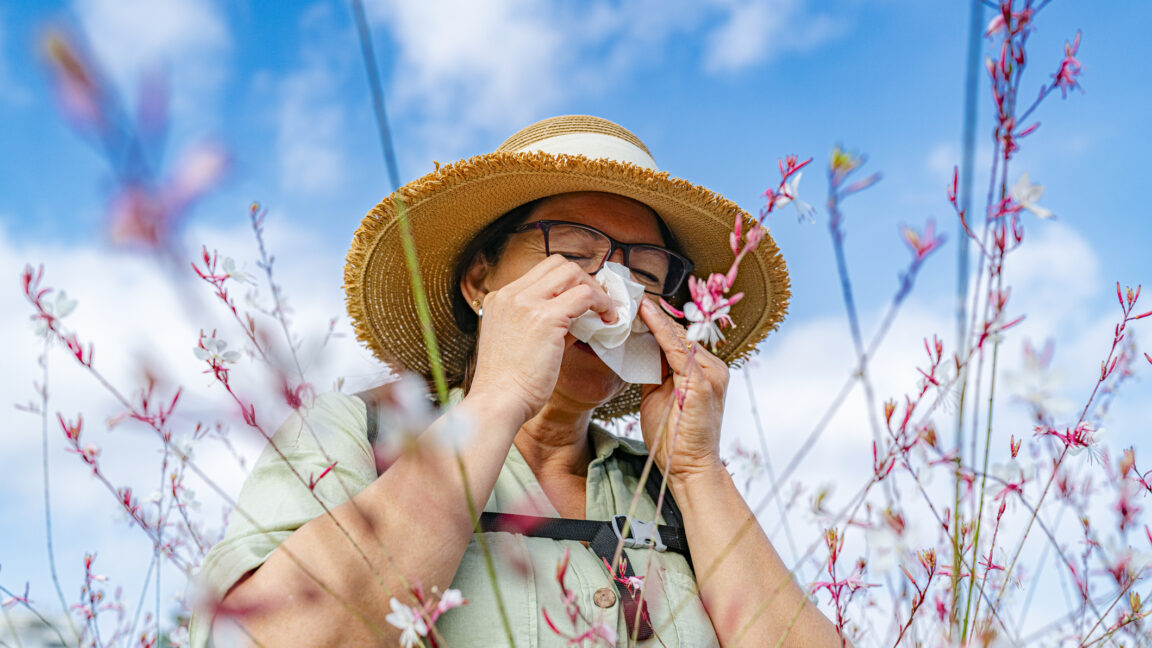
“Every year, they say their allergies are the worst yet—and they might be right,” Dr. Tummala said. “Climate change is rewriting the seasonal allergy calendar.”
Approximately 25% of U.S. adults and 20% of children—totaling tens of millions of Americans—suffer from seasonal allergies. The condition is no longer just a spring nuisance: it now triggers asthma attacks, emergency room visits, and lost workdays with increasing frequency.
Background: How Warming Fuels Allergens
Rising atmospheric carbon dioxide levels act as a fertilizer for plants, boosting pollen production. Warmer temperatures also extend the growing season, allowing trees and grasses to release pollen weeks earlier than in past decades.
According to a landmark study from the University of Michigan, pollen seasons have lengthened by an average of 20 days since 1990. Ragweed, a major trigger, now produces up to 60% more pollen in urban areas with high CO₂ levels.
“It’s not in your head—the data shows a clear trend,” said Dr. Tummala. “We are seeing a shift that affects entire populations.”
What This Means: Public Health on the Front Line
The consequences go beyond sneezing and itchy eyes. Allergic rhinitis now contributes to more frequent asthma exacerbations, sinus infections, and sleep disturbances. Emergency departments in major cities report a 10–15% rise in respiratory-related visits during extended pollen seasons.
Economic losses are also mounting. Missed work and school days due to allergies cost the U.S. economy an estimated $3 billion annually, a figure experts expect to rise as climate change accelerates.
“We need to treat this as a climate health crisis,” Dr. Tummala emphasized. “Patients need better forecasting, earlier interventions, and resilient health systems.”
Urgent Advice for Allergy Sufferers
Public health officials recommend checking local pollen counts daily, starting medications two weeks before typical season onset, and keeping windows closed during peak hours. For severe cases, immunotherapy or allergy shots may offer long-term relief.
Key steps to protect yourself:
- Monitor pollen forecasts via apps or local weather stations.
- Use HEPA filters at home and wear N95 masks outdoors on high-pollen days.
- Shower and change clothes after spending time outside to remove pollen.
- Consult an allergist if over-the-counter antihistamines are insufficient.
Looking Ahead: Research and Policy Needs
Scientists are calling for more robust pollen monitoring networks integrated into climate modeling. They also urge policymakers to consider allergen management in urban planning—such as planting low-pollen trees and reducing CO₂ emissions.
“This is a preventable burden,” Dr. Tummala said. “But it requires action at both the individual and societal levels.”
For now, millions of Americans face a longer, harsher battle with seasonal allergies—a battle directly intensified by a warming planet.