Crafting a Budget for Australia's Renewable Energy Future: A Step-by-Step Guide
Introduction
Australia stands at a crossroads. The choice is clear: continue relying on a volatile global energy system that leaves the nation exposed to price shocks and supply disruptions, or invest decisively in a secure, homegrown renewable energy infrastructure. The federal budget is the most powerful tool the government has to signal its commitment to the latter. This guide outlines the practical steps needed to craft a budget that sends an unmistakable message: Australia is open for business in renewable energy. Whether you are a policymaker, an industry advocate, or a concerned citizen, these steps will help you understand what it takes to align fiscal policy with a clean energy transition.

What You Need
- A clear understanding of Australia's current energy mix and reliance on fossil fuels
- Data on renewable energy job creation, cost trends, and global investment flows
- Access to economic modeling tools (e.g., CSIRO’s Australian Energy Market Operator forecasts)
- Stakeholder input from energy companies, unions, environmental groups, and First Nations communities
- Legislative authority to allocate funds, adjust tax incentives, and amend regulations
- A cross-departmental task force (Treasury, Climate Change, Energy, Industry, and Infrastructure)
- Communication strategy to clearly articulate budget priorities
Step-by-Step Guide
Step 1: Assess the Current Energy Landscape
Begin by gathering and analyzing data on Australia’s energy generation, consumption, and emissions. Identify the vulnerabilities of the existing system, such as reliance on imported oil and price volatility of global coal and gas markets. This assessment should include the potential for domestic renewable resources—solar, wind, hydro, and emerging technologies like green hydrogen. A thorough baseline will justify the need for a shift and inform budget priorities.
Step 2: Define Clear, Ambitious Targets
Set specific, time-bound goals for renewable energy capacity, emissions reduction, and job creation. For example, commit to achieving 80% renewable electricity by 2030 or net-zero emissions by 2050. These targets give investors and industries a stable long-term signal. Ensure targets are embedded in legislation or announced as centerpiece budget measures to build credibility.
Step 3: Allocate Direct Funding for Key Projects
Reserve dedicated budget lines for large-scale renewable infrastructure: solar farms, wind parks, battery storage, and grid upgrades. Prioritize projects that have strong economic multipliers and can be delivered quickly. Include funding for research and development into next-generation technologies like green hydrogen and advanced modular reactors. Make funding conditional on using local supply chains where possible to boost domestic manufacturing.
Step 4: Design Attractive Incentives for Private Investment
Create tax credits, accelerated depreciation, or production tax incentives for renewable energy projects. Establish a green investment bank or expand the Clean Energy Finance Corporation to provide low-interest loans. Introduce a carbon price or an equivalent market mechanism to internalize the cost of fossil fuels. These incentives de-risk private capital and accelerate deployment.
Step 5: Streamline Regulatory Processes
Review and reform environmental approvals, building permits, and grid connection rules that delay renewable projects. Allocate budget resources to hire additional staff at regulatory agencies to speed up assessments. Create a single-window system for project approvals. Set legislative timelines for decisions and impose penalties for excessive delays. A smooth regulatory pathway is essential to maintaining investor confidence.
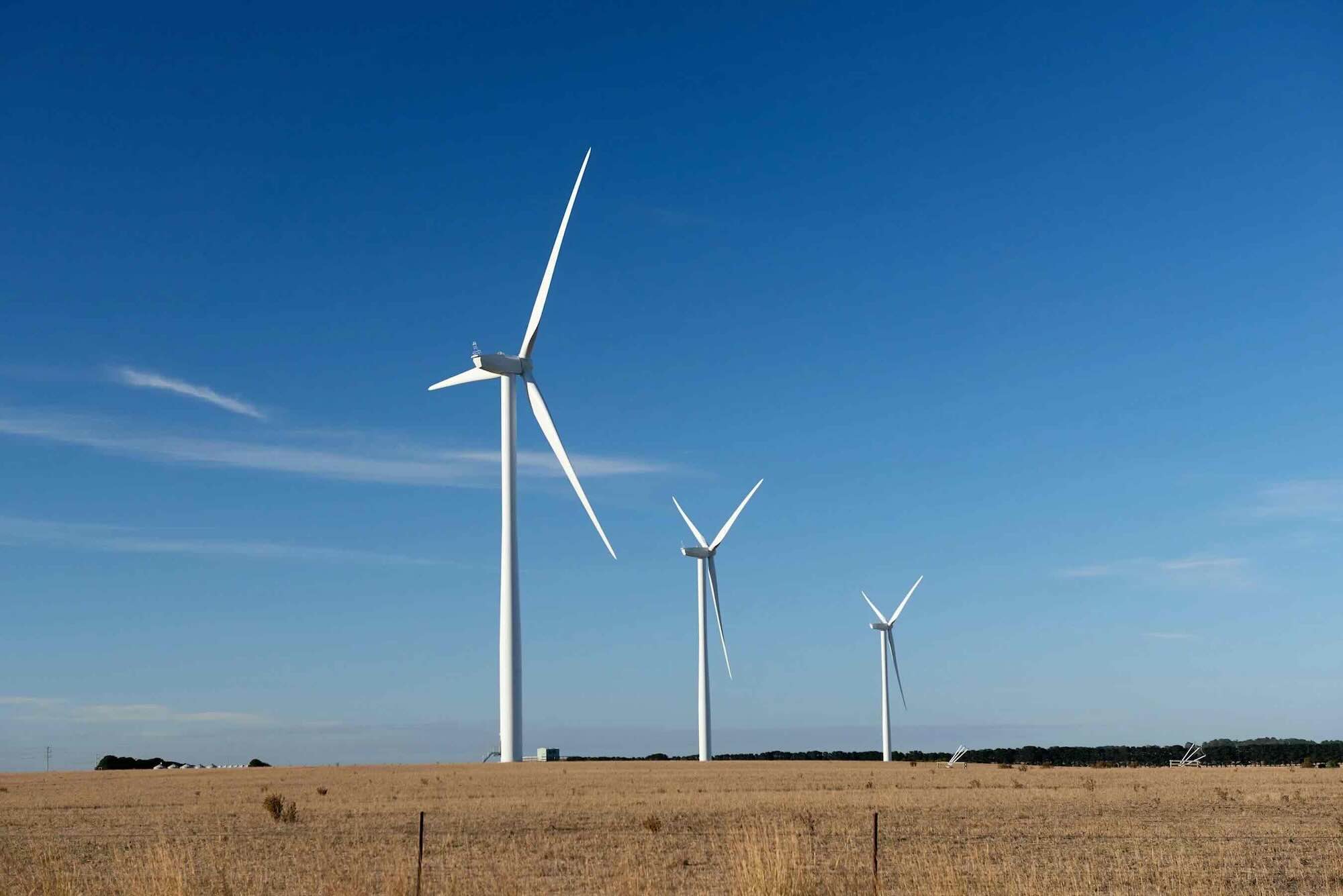
Step 6: Support Workforce Transition and Local Manufacturing
Include budget measures for retraining fossil fuel workers, funding clean energy apprenticeships, and establishing training hubs in regional areas. Partner with TAFEs and universities to develop skills in solar installation, wind turbine maintenance, and battery manufacturing. Directly invest in domestic factories for solar panels, inverters, and storage units to reduce import dependence and create jobs.
Step 7: Communicate the Message Effectively
When the budget is delivered, ensure the language is unequivocal: Australia is open for business in renewables. Use the Treasurer’s speech, budget papers, and media releases to highlight the long-term vision. Emphasize that this investment reduces exposure to global energy shocks, lowers costs for households, and creates resilient jobs. Provide clear examples of how each measure benefits ordinary Australians.
Tips for Success
- Be consistent – Avoid sending mixed signals by simultaneously subsidizing fossil fuels. If necessary, phase out coal and gas support transparently.
- Engage early with stakeholders – Consult with business, unions, environmental groups, and state governments to build bipartisan support and reduce backlash.
- Use sunset clauses – Design incentives with clear end dates to encourage quick action and prevent fiscal bloat.
- Monitor and adapt – Set up an independent body to track progress against targets and report annually, allowing the budget to be adjusted as needed.
- Don’t forget regional equity – Ensure that communities dependent on fossil fuels receive transition support, and that remote areas benefit from renewable infrastructure.
- Leverage international partnerships – Align with global climate finance initiatives and technology-sharing agreements to multiply the impact of domestic spending.
By following these steps, Australia can craft a budget that not only funds a secure energy future but also sends an unmistakable signal to the world: the nation is ready and open for business in the renewable energy revolution.