5 Astonishing Facts About the 'Impossible' Crystal Born from a Nuclear Bomb
In July 1945, the world's first atomic bomb test at Trinity Site in New Mexico forever changed history—and created a strange new substance called trinitite. Now, decades later, scientists have discovered that within this glassy green material lurk crystals that defy conventional physics. Here are five things you need to know about this extreme crystal.
1. What Is Trinitite?
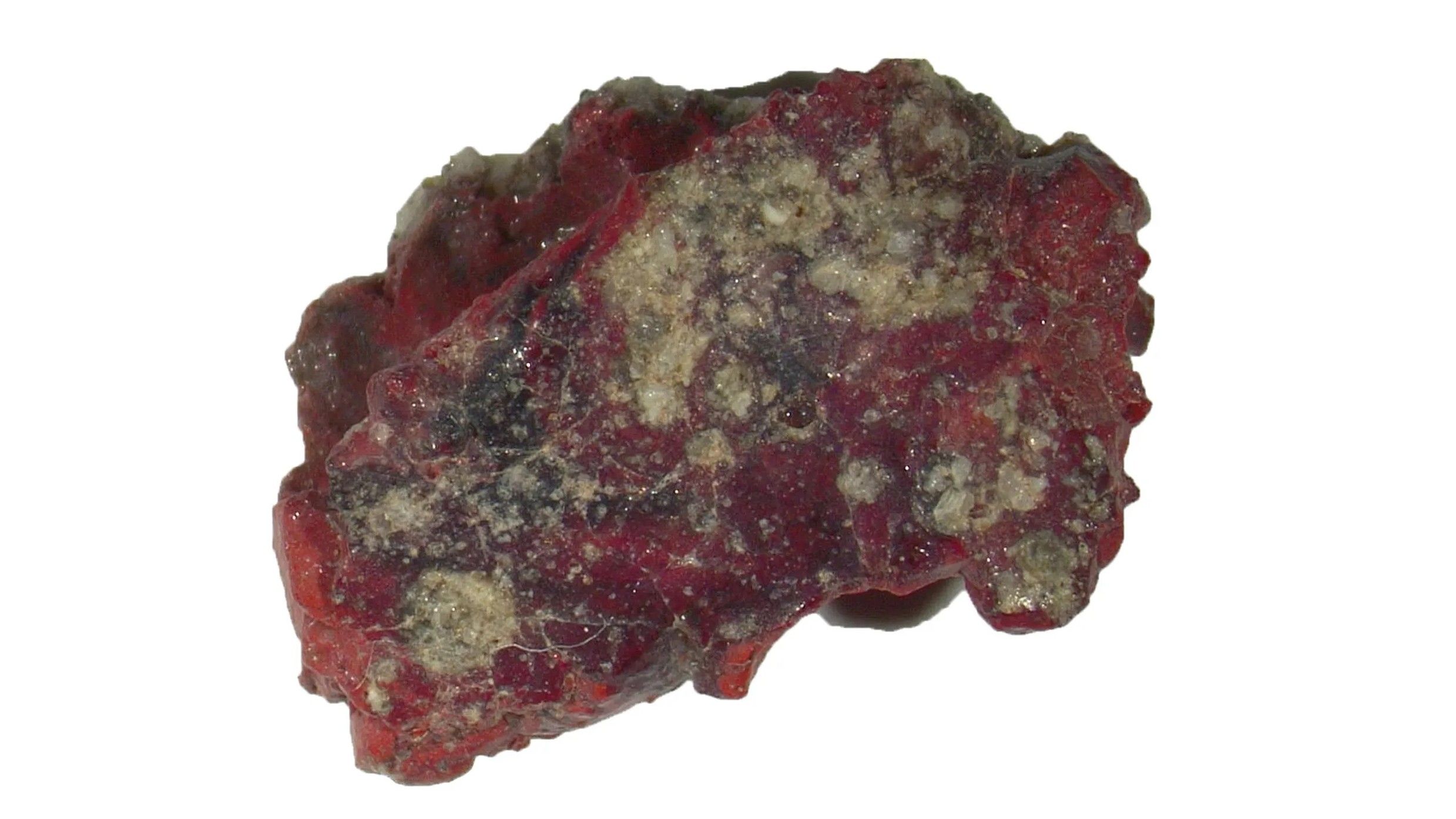
Trinitite is a glassy mineral formed when the heat and pressure of the Trinity nuclear blast melted the surrounding desert sand. Officially known as "atomsite" or "Alamogordo glass," it typically appears as a pale green, slightly radioactive rock. For decades, collectors and scientists studied trinitite, assuming it was just a fused silicate. However, recent analysis reveals that some trinitite samples contain tiny, never-before-seen crystals with a structure that shouldn't be possible in nature. This discovery has redefined our understanding of extreme conditions and material formation.
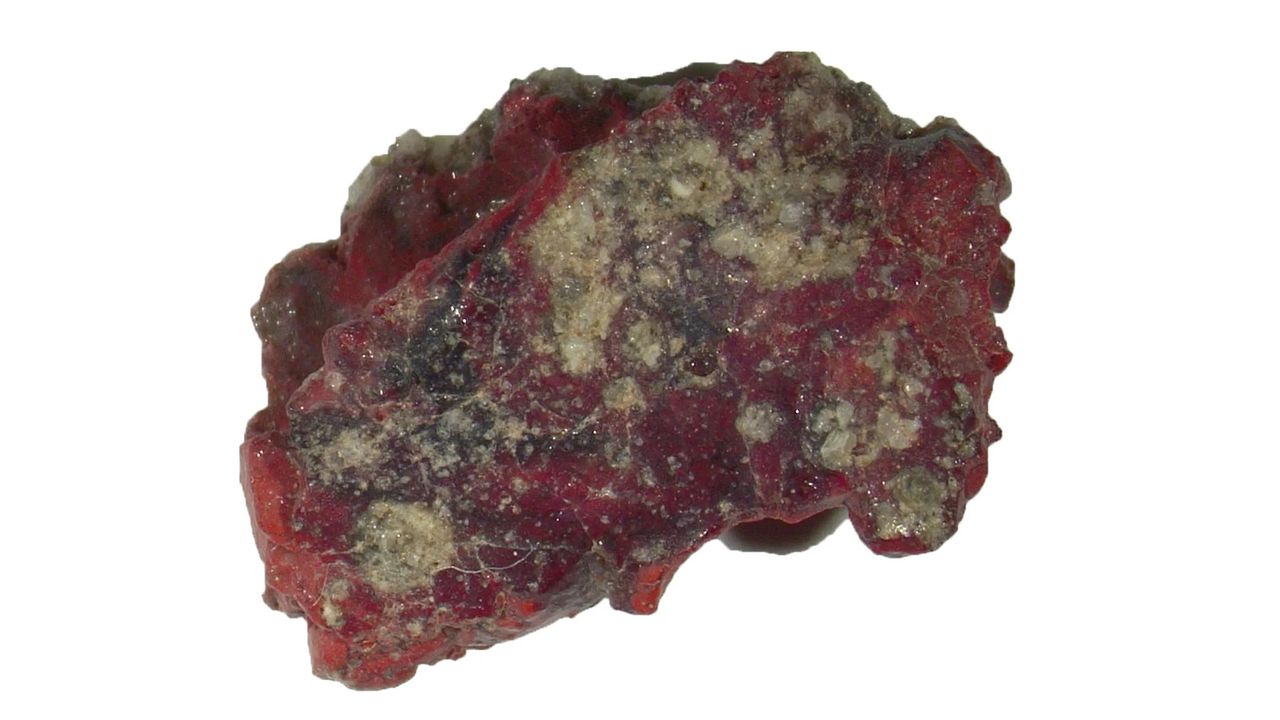
2. The Crystal That Broke the Rules
The newfound crystals within trinitite are what scientists call "quasicrystals." Unlike ordinary crystals, which have repeating atomic patterns, quasicrystals have a non-repeating but ordered structure—impossible in classical crystallography. They were first theorized in the 1980s and later synthesized in labs, but finding one formed naturally in a nuclear blast was a shock. This particular quasicrystal has a five-fold symmetry, a pattern that cannot occur in conventional crystals. It's the first known natural quasicrystal created by a nuclear explosion, highlighting the extreme conditions necessary for such exotic phases.
3. How Did the 1945 Blast Create It?
The Trinity test generated temperatures exceeding 8,000 Kelvin and pressures billions of times greater than atmospheric pressure. These conditions instantly vaporized the bomb tower and surrounding soil. As the fireball cooled, the vaporized materials condensed into a variety of minerals. Most trinitite formed as amorphous glass, but in tiny pockets, the cooling rate and elemental composition allowed a specific set of atoms—including iron, silicon, copper, and uranium—to arrange into a quasicrystal. The extreme shockwave and rapid quenching essentially “froze” this unstable atomic arrangement in place.
4. Why Is This Discovery Important?
Finding quasicrystals in trinitite opens new avenues in materials science and the study of extreme events. These crystals can teach us about the behavior of matter under catastrophic conditions, such as nuclear explosions or asteroid impacts. Moreover, they provide a new method for identifying past nuclear tests—even clandestine ones—by looking for unique crystalline signatures. The discovery also strengthens the theory that quasicrystals may form in other extreme environments, like supernovae or planetary interiors, and could lead to new industrial materials with exotic properties, such as non-stick coatings or high-strength alloys.
5. What Comes Next?
Scientists are now scouring other trinitite samples and even debris from other nuclear tests for similar quasicrystals. They are also using advanced electron microscopy and X‑ray diffraction to map the exact atomic structure of the Trinity quasicrystal. Future studies aim to recreate these crystals in labs under controlled conditions, which could lead to breakthroughs in quantum computing and energy storage. As researchers dig deeper into the remnants of the atomic age, they continue to find that even destruction can yield profound scientific treasures.
Conclusion: The "impossible" crystal from Trinity is a testament to the extreme forces that can create order from chaos. By studying this tiny quasicrystal, we not only learn about the birth of the nuclear age but also unlock secrets about the fundamental nature of matter. As technology improves, who knows what other marvels lie hidden in the sands of New Mexico?