Project Genie Blends AI Worlds with Google Maps Street View: What You Need to Know
Google's experimental AI model, Project Genie, has received a major upgrade that merges its generative capabilities with real-world imagery from Google Maps Street View. This update not only lets users explore and creatively reimagine actual US locations but also provides a virtual training ground for AI agents and robots. With expanded access to subscribers worldwide, here's everything you need to know about this groundbreaking feature.
1. What is Project Genie and how has it evolved?
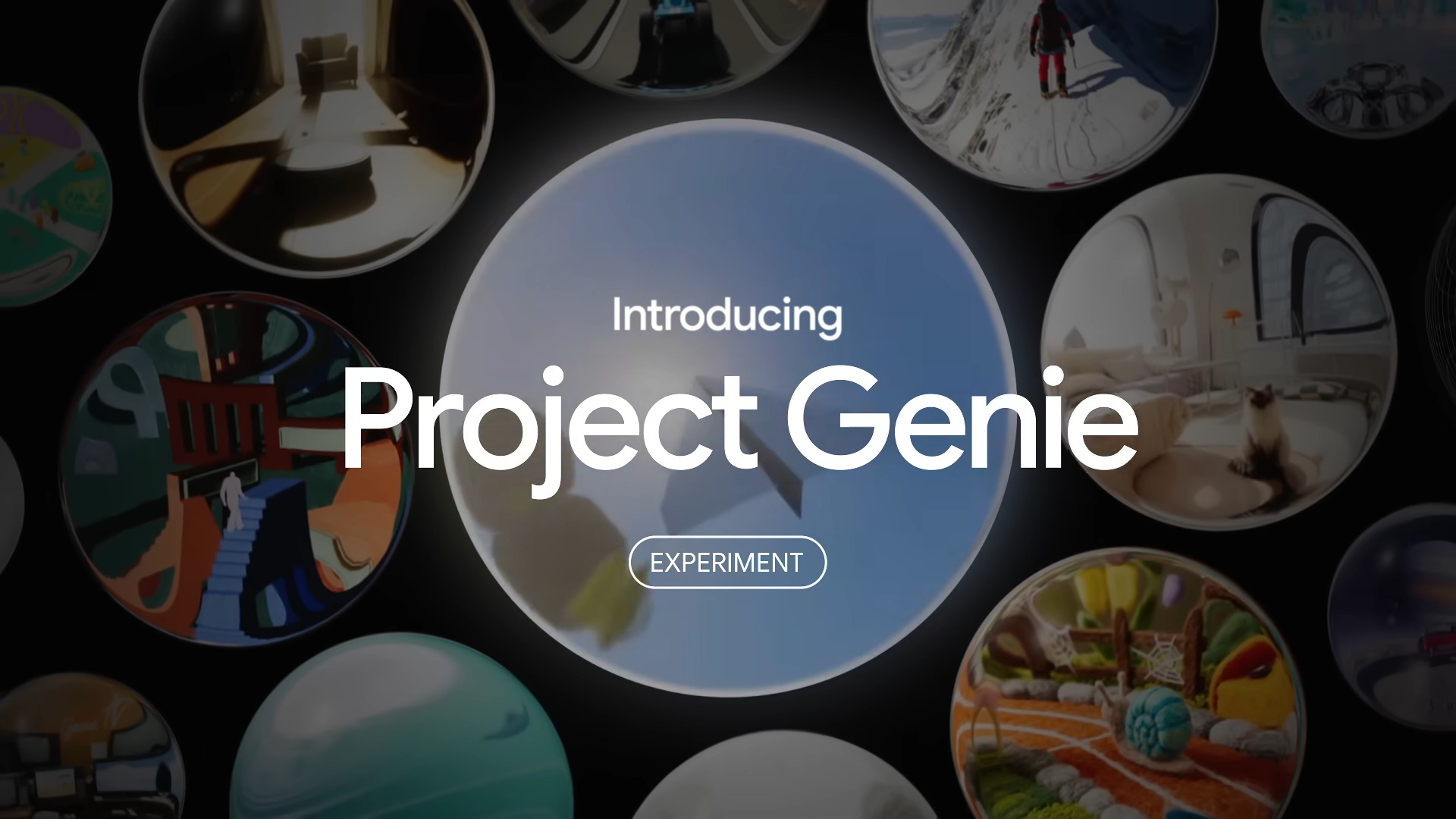
Project Genie is an AI model initially launched earlier this year to generate diverse, interactive 3D world environments from simple text prompts. Its original purpose was purely creative—allowing users to imagine and build fantastical scenes from scratch. The latest update, however, takes a leap by integrating real-world data from Google Maps Street View. This means Genie can now reconstruct actual locations and let users interact with them, blending imagination with geographical reality. For instance, you could start with a street corner in New York and then apply a creative twist, like turning it into a scene from a sci-fi movie. This evolution marks a shift from pure fantasy to a hybrid of reality and AI-driven creativity.
2. How does Project Genie use Google Maps Street View?
The integration works by pulling in real-world imagery from Street View’s vast database of US locations. When you input a prompt—say, “Times Square at sunset with floating lanterns”—Project Genie fetches the actual Street View scene and overlays AI-generated elements. The result is a navigable, interactive environment that retains the spatial layout and visual details of the real place. Users can walk around the virtual space, change perspectives, and even modify features like weather, time of day, or architectural styles. This is not just a static image; it’s a dynamic 3D world where the AI understands the geometry and semantics of the location, making the experience feel authentic yet flexible.
3. What are the practical applications for AI agents and robots?
Beyond creative exploration, the Street View upgrade offers a powerful virtual training environment for AI agents and robots. By simulating real-world complexities—like traffic patterns, building facades, or pedestrian flows—Project Genie helps these systems learn to navigate physical spaces without the cost and risk of real-world testing. For example, a robot designed for delivery can practice avoiding obstacles on a realistic city block generated from Street View data. This accelerates development in robotics and autonomous systems, as the AI can experience thousands of scenarios in a controlled yet authentic setting. Google’s approach bridges the gap between synthetic data and actual environments, making training more effective for tasks like path planning or object recognition.
4. Can users explore and reimagine their favorite real-world spots?
Absolutely. Users can enter a prompt referencing any Street View-covered location in the US, and Project Genie will generate a 3D version of that spot for exploration. You can move through the scene as if you were there, looking around and zooming in. Even more exciting is the ability to reimagine the location—add fantasy elements like dragons, change the season to winter, or turn a quiet park into an alien landscape. This feature transforms familiar places into canvases for creativity, letting you see your hometown or favorite travel destination in a whole new light. The interface is intuitive, so you don’t need technical skills to start experimenting.
5. Who can access the Project Genie Street View update?
Access to this feature is currently limited to eligible Google AI Ultra subscribers who are 18 years or older and pay $200 per month. Initially available only in the US, Google has now expanded access to include subscribers worldwide. This means anyone with the AI Ultra plan can use Project Genie’s Street View capabilities, provided their local laws allow it. The subscription also includes other advanced AI tools, making it a premium offering for professionals and enthusiasts. Google has not announced plans for a free or lower-tier version, but the global rollout signals increasing investment in the platform.
6. How does this differ from other AI world-generation models?
Most AI world generators, like those from NVIDIA or OpenAI, create entirely synthetic environments from scratch. What sets Project Genie apart is its grounding in real-world data from Street View. While other models rely on procedural generation or abstract scenes, Genie uses actual photos and GIS data to ensure spatial accuracy. This makes the generated environments navigable and physically consistent—a crucial advantage for robotics training. For creative users, it offers a unique hybrid: you get the authenticity of a real place combined with the freedom to alter it. This blend of reality and AI-driven imagination is rare and positions Project Genie as a bridge between virtual and physical worlds.
Learn more about how the Street View integration works or its applications in robotics.