BleachBit Goes Text-Based: Interactive Cleaning for Headless Servers
BleachBit, the well-known open-source system cleaner, has just introduced a brand-new text-based user interface (TUI) that offers an interactive alternative to both its graphical interface and its existing command-line tool. This development is especially exciting for administrators managing headless Linux servers or users who prefer a lightweight, dependency-free cleaning experience. Below, we answer the most common questions about this new feature.
What is BleachBit's new TUI and how does it work?
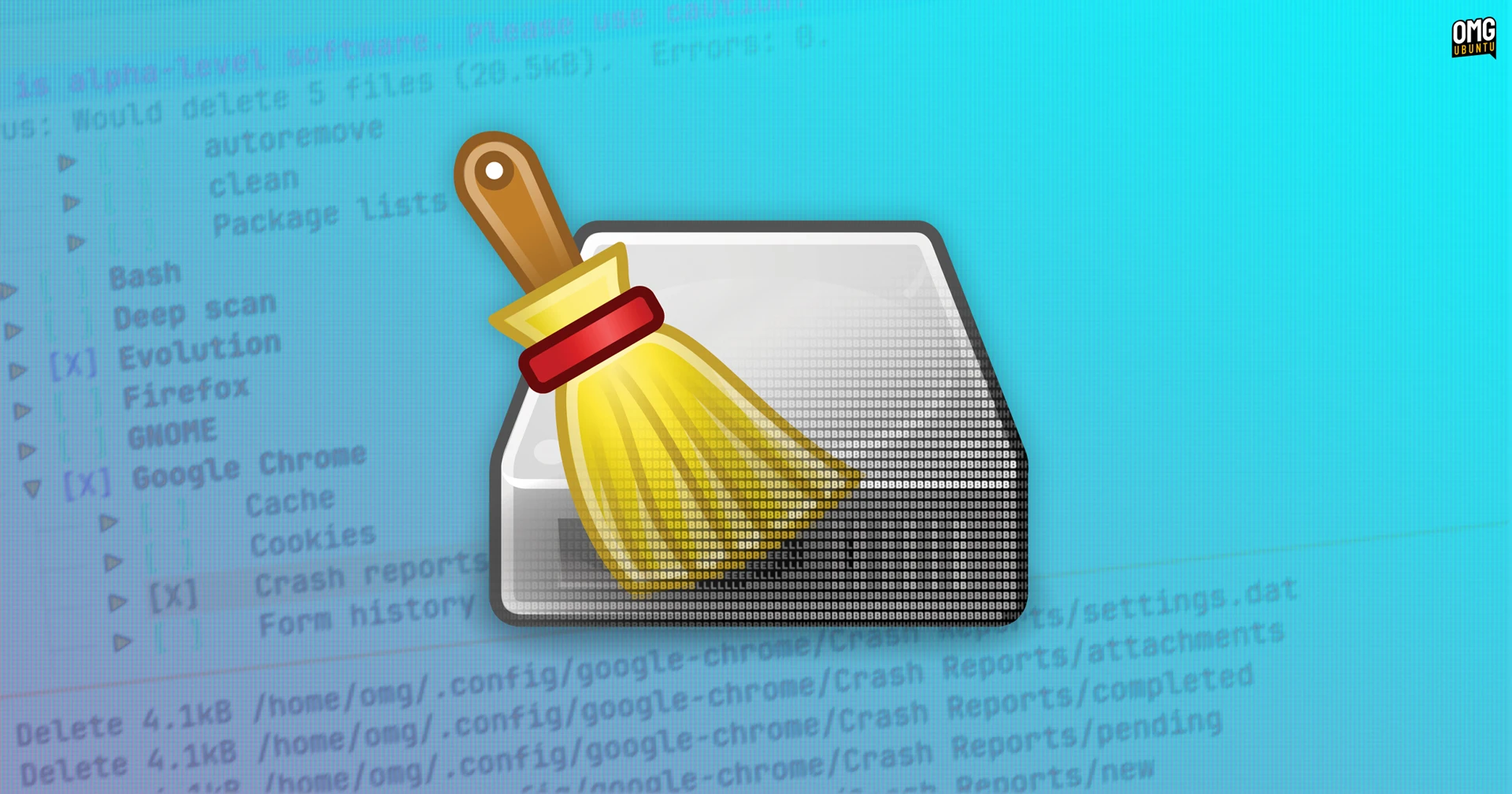
The new TUI (Text User Interface) is an optional, fully interactive way to use BleachBit without a graphical desktop. Instead of clicking buttons, you navigate entirely with your keyboard—though there is limited mouse support. You can select which items to clean, preview them, and then execute the cleanup. Unlike the existing command-line interface (CLI), which is meant for non-interactive scripting, the TUI is designed for human use, giving you real-time control over the cleaning process.

Why is the TUI perfect for headless servers?
Headless servers—those without a monitor, keyboard, or graphical environment—often run remotely via SSH. The TUI allows system administrators to perform interactive cleaning sessions over a terminal connection, something the graphical interface could not do. It eliminates the need to install heavy GTK dependencies on a server, keeping the system lean. This makes BleachBit ideal for lightweight Linux servers where every megabyte counts, or for any machine managed remotely without a desktop.
How does the TUI differ from the existing command-line interface (CLI)?
BleachBit's CLI is scriptable and non-interactive—perfect for automation, cron jobs, or one-off commands in a script. It requires you to know exactly which cleaners to run and in what order. The TUI, on the other hand, is interactive: you can browse through available cleaners, toggle selections, see previews, and decide on the fly. While the CLI is great for headless automation, the TUI shines when you need to manually inspect and clean a system without a graphical environment.
What status is the BleachBit TUI currently in?
As of the article, the TUI is in alpha stage. This means it is feature-complete enough to use but may still have bugs or missing polish. It runs on the very same backend as the graphical version, so the cleaning operations are as reliable as ever. Early adopters can test it and provide feedback, but for production servers, caution is advised until the TUI reaches a stable release.
Can I still use the graphical interface and the CLI alongside the TUI?
Absolutely. The TUI is an optional alternative; it does not replace either the GUI or the CLI. You can choose the interface that best suits your task. For daily desktop use, the GUI remains the most intuitive. For automated scripting, the CLI is still the go-to. The TUI fills the gap for interactive, terminal-based cleaning—perfect for remote servers, low-resource environments, or users who prefer keyboard navigation over a mouse.
What kind of systems can benefit from the TUI?
The TUI is a boon for headless Linux servers managed over SSH, but also for lightweight desktop systems that want to avoid the overhead of GTK dependencies. It works on any Linux machine where you have a terminal and Python (or the relevant runtime). Embedded systems, minimal containers, and even older laptops with limited resources can run the TUI without dragging in a full desktop environment. This makes BleachBit more versatile than ever.
Is the TUI available in most Linux distributions?
BleachBit is open-source and widely packaged. The TUI will likely be included in future releases of popular distributions like Ubuntu, Fedora, and Debian. Currently, because it is alpha, you may need to build from source or use a developer repository. The OMG! Ubuntu article notes that the TUI is part of the same codebase, so once it stabilizes, expect it to be available through standard package managers.
How do I get started with the BleachBit TUI?
To try the BleachBit TUI, you will first need to install the latest BleachBit alpha release. Check the official BleachBit website or the project's GitHub page for pre-release builds. Once installed, launch it from the terminal using bleachbit --tui or a similar command (exact syntax may vary). From there, you can navigate with arrow keys, select cleaners with spacebar, preview files, and run cleanup—all without a mouse or a graphical desktop.