Mastering Apple's Acquisition Playbook: A Deep Dive into Tim Cook's Strategic Buys
Overview
Under Tim Cook's leadership, Apple has transformed its acquisition strategy into a finely tuned machine. While the company famously passed on acquiring Tesla, it has quietly snapped up dozens of smaller companies spanning hardware, software, and services. This tutorial will guide you through the logic, categories, and impact of these acquisitions, offering a practical framework for analyzing any tech company's M&A moves.
Prerequisites
Before diving in, you should have:
- Basic familiarity with Apple's product ecosystem (iPhone, Mac, iPad, services like Apple Music)
- Understanding of general business acquisition concepts (e.g., synergy, integration)
- Access to a list of Apple's major acquisitions (publicly available from financial reports or news archives)
No financial modeling skills required—just curiosity and a willingness to think strategically.
Step-by-Step Guide to Understanding Apple's Acquisition Strategy
Step 1: Categorize the Acquisitions
Apple's buys under Tim Cook can be grouped into three buckets: hardware, software, and services. Each serves a distinct purpose:
- Hardware: Often used to acquire specialized engineering talent or proprietary components. Example: Beats Electronics (2014) brought premium audio hardware and a streaming service.
- Software: Typically targets key technologies that can be integrated into iOS, macOS, or other platforms. Example: Siri Inc. (2010) gave Apple its voice assistant foundation.
- Services: Focused on content, cloud, or subscription capabilities. Example: Shazam (2018) enhanced Apple Music's song recognition and discovery.
Start by listing each major acquisition (a quick web search for 'Apple acquisitions list' will help) and assign it to one or more categories. Note any overlaps—Beats, for instance, covers both hardware and services.
Step 2: Examine Notable Examples in Each Category
Let’s explore a few landmark deals that illustrate the strategy.
Hardware Acquisitions
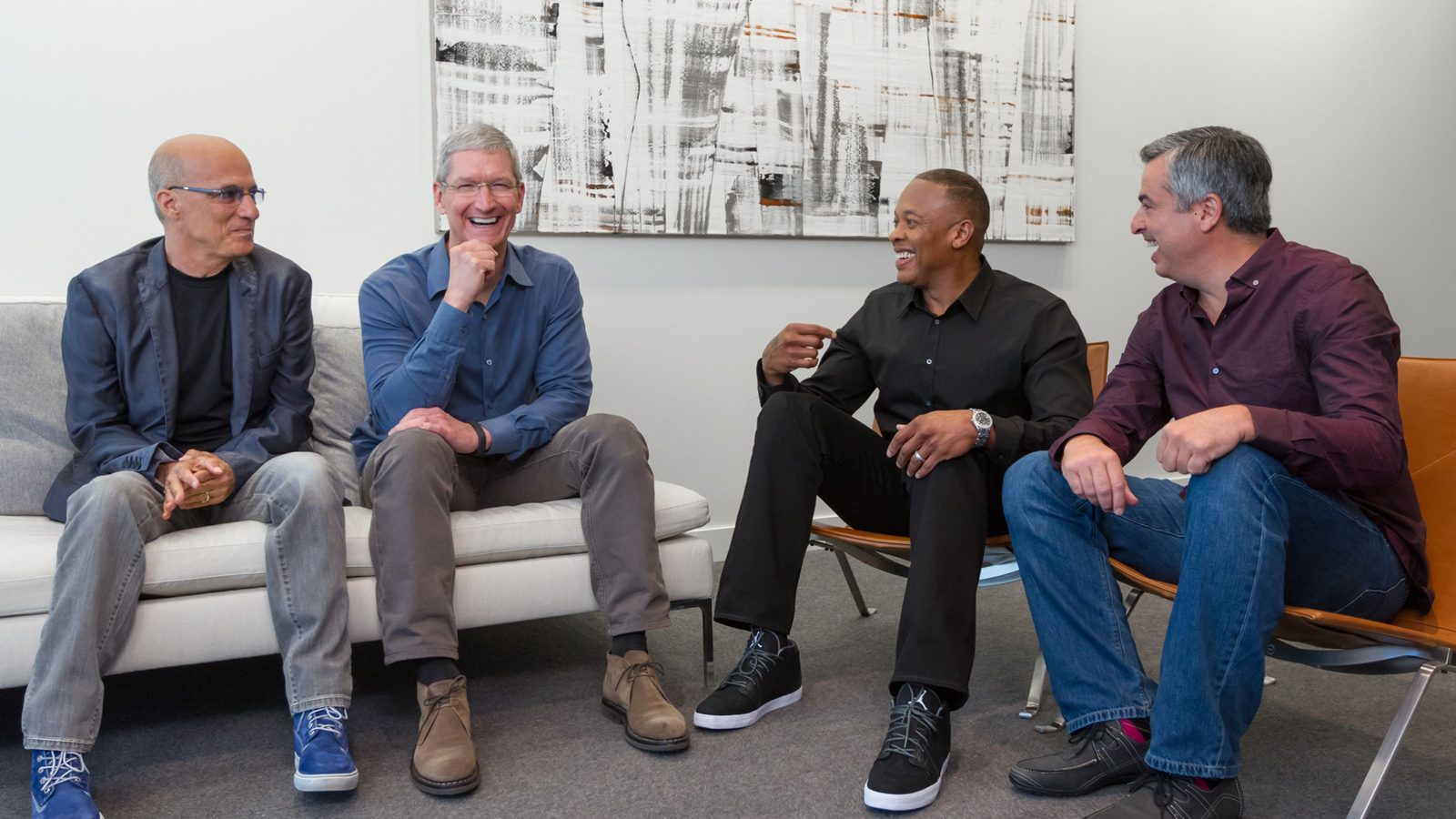
- Beats Electronics ($3 billion, 2014) – Brought high‑end headphones, the Beats Music streaming service, and influential executives like Jimmy Iovine and Dr. Dre. This was Apple’s largest acquisition ever and marked a major push into music streaming.
- Intel’s smartphone modem business ($1 billion, 2019) – Added 2,200 engineers and essential cellular technology, reducing Apple’s reliance on Qualcomm.
- Passed on Tesla – A notable non‑acquisition. Instead, Apple invested in electric vehicle R&D internally and acquired smaller autonomous‑driving startups like Drive.ai.
Software Acquisitions
- Siri Inc. (2010) – Acquired just before Cook became CEO, but its integration defined iOS’s voice‑assistant capabilities.
- AuthenTec (2012) – Provided the fingerprint sensor technology used in Touch ID, first appearing in the iPhone 5s.
- PowerVR GPU team (2020) – Hired key graphics‑chip designers to boost Apple’s custom chip efforts.
Services Acquisitions
- Shazam ($400 million, 2018) – Integrated song‑recognition into Apple Music and Siri, adding billions of user‑generated identifiers.
- Texture (2018) – A digital magazine subscription service that later became part of Apple News+.
- NextVR (2019) – Added virtual‑reality sports broadcasting expertise to boost Apple’s upcoming mixed‑reality headset services.
Step 3: Analyze Strategic Fit
For each acquisition, ask three questions:

- Does it fill a missing puzzle piece in Apple’s ecosystem? (e.g., Shazam filled a music‑discovery gap)
- Does it bring unique talent or intellectual property? (e.g., the Intel modem team)
- Does it accelerate an emerging trend? (e.g., AI, AR, health sensors)
Create a simple table mapping each acquisition to these criteria. This reveals patterns—Apple rarely buys for revenue growth alone; it prioritizes technology lock‑in.
Step 4: Assess Impact on Apple's Ecosystem
Now evaluate how each acquisition influenced Apple’s products and services:
- iPhone evolution: Touch ID (AuthenTec), Face ID (PrimeSense, 2013), and camera enhancements (LinX, 2015) all originated from acquisitions.
- Apple Watch & Health: Acquisitions like Beddit (sleep tracking) and Gliimpse (health records) fed into HealthKit and watchOS.
- Services growth: Beats Music transformed into Apple Music; Texture became Apple News+; Shazam improved discovery.
Create a timeline showing how acquired technologies debuted in Apple products 1–3 years after purchase. This helps predict future product features from current deals.
Common Mistakes
Avoid these pitfalls when analyzing Apple’s M&A:
- Focusing only on big numbers – Most of Apple’s 100+ acquisitions under Cook have been small, “acqui‑hire” deals for talent. Ignoring them misses the bulk of the strategy.
- Ignoring integration challenges – Not all acquisitions succeed immediately. For example, Siri’s voice quality lagged competitors for years after the buy.
- Assuming all deals are public – Apple frequently buys companies without announcing; only those above a revenue threshold appear in regulatory filings.
- Overlooking cultural fit – Beats was an exception with its independent brand; most acquired teams are absorbed into Apple’s secretive culture.
Summary
Tim Cook’s acquisition playbook targets small‑to‑mid‑sized companies that provide critical hardware, software, or services capabilities. By categorizing each deal, analyzing its strategic fit, and tracking its impact on the ecosystem, you can decode Apple’s long‑term roadmap. Remember that Apple’s willingness to pass on big targets like Tesla shows its preference for focused, integratable technologies over headline‑grabbing deals. Use this framework to evaluate any company’s M&A strategy—and you’ll see patterns others miss.