The Overlooked Horror Legacy of Punisher Co-Creator Gerry Conway
Introduction
When fans discuss the architects of Marvel’s darker corners, names like Steve Gerber, Marv Wolfman, and Gene Colan often dominate the conversation. Yet one of the most influential figures in shaping Marvel’s horror landscape remains curiously underappreciated: Gerry Conway. Best known for co-creating The Punisher during his legendary Amazing Spider-Man run—a tenure he began at just 19 years old—Conway’s contributions to the macabre and supernatural are just as significant, if less frequently spotlighted.
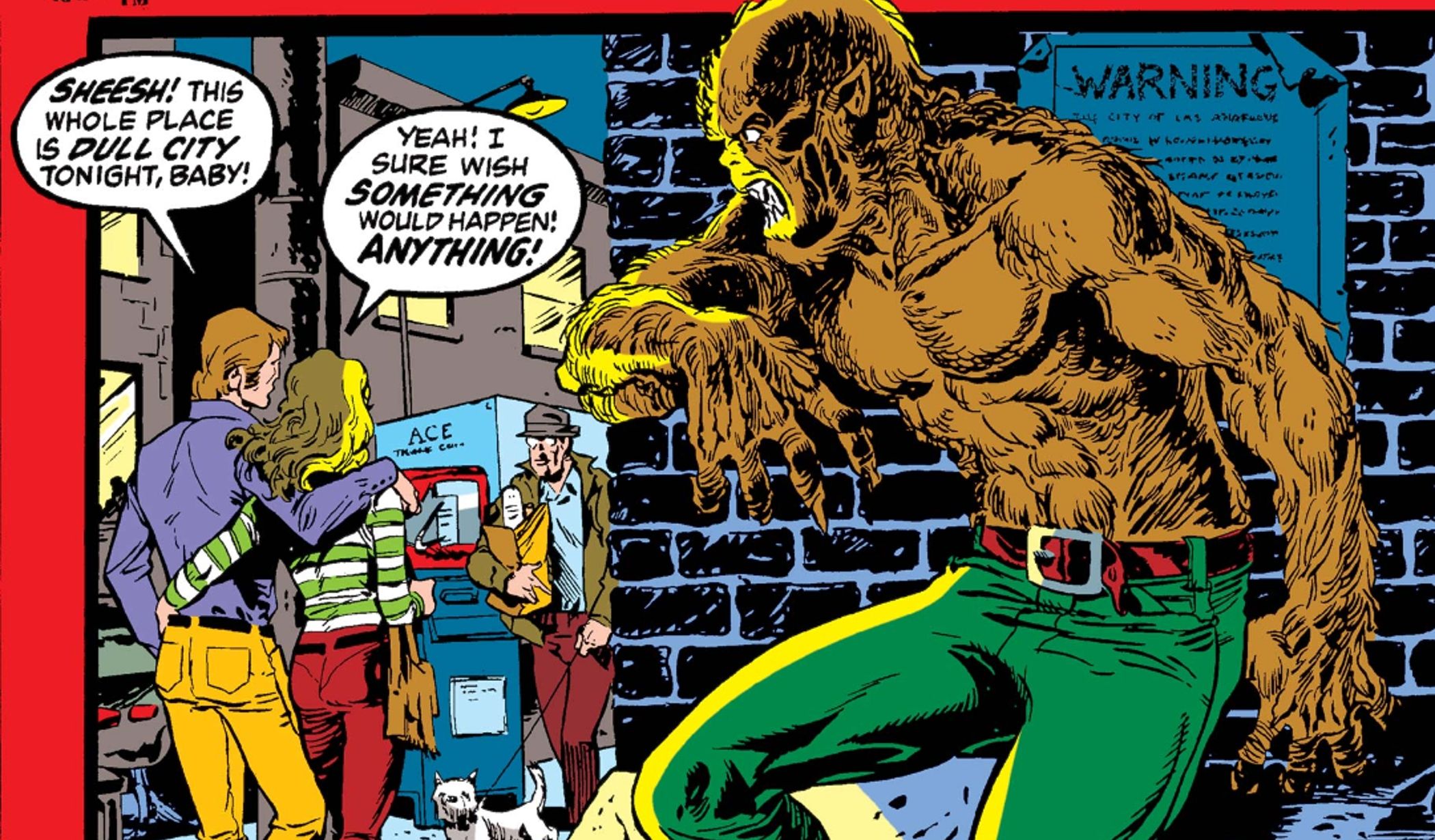
From his early days as a teenage prodigy to his decades-spanning career, Conway wove dread, moral ambiguity, and psychological horror into the very fabric of Marvel’s universe. This article examines his pivotal role in bringing horror tropes to mainstream superhero comics and why his influence can no longer be overlooked.
Teenage Wunderkind: The Making of a Horror Visionary
Conway entered the industry with an energy that defied his age. At 16, he was already selling scripts to DC, and by 19, he had taken the reins of The Amazing Spider-Man. His youthful perspective allowed him to explore themes that older writers might have shied away from—especially the creeping terror that lurks beneath New York’s veneer.
The Punisher, introduced in Amazing Spider-Man #129 (1974), is often discussed as a vigilante anti-hero. But at his core, Frank Castle is a creature of horror: a man hollowed out by tragedy, driven by a relentless, almost supernatural fury. Conway’s portrayal leaned into the body horror of war trauma and the chilling logic of a broken soldier. It wasn’t just grit—it was a new form of urban horror.
The Night Gwen Stacy Died: A Trauma That Echoes
No discussion of Conway’s work is complete without addressing “The Night Gwen Stacy Died” (Amazing Spider-Man #121–122). While primarily a tragedy, the story unfolds with the pacing of a horror film: a cackling villain (the Green Goblin), a helpless heroine, and a fall that shocks the senses. Conway crafted a scene where the horror isn’t in the monster but in the sudden, irreversible loss.
The Fall’s Horror Legacy
The death of Gwen Stacy sent ripples through comics. It signaled that no character was safe, and that psychological and emotional horror could be as devastating as any monster attack. Conway’s script forced readers to confront mortality in a way superhero comics rarely did before.
Spider-Clone and Jason Todd: Seeds of Dark Obsession
Conway also introduced the Spider-Clone (later revealed as Ben Reilly) in Amazing Spider-Man #141–142. The concept of a doppelgänger—a classic horror trope—allowed Conway to explore themes of identity, paranoia, and the fear of being replaced. Similarly, his creation of Jason Todd at DC (as a successor to Dick Grayson) planted seeds that would later blossom into one of comics’ most infamous tragedies (Batman: A Death in the Family). While not strictly horror, these narratives dealt with body horror, identity crisis, and violent mortality—hallmarks of the genre.
Justice League and the Supernatural Undertow
Writing nearly 100 issues of Justice League of America, Conway frequently dipped into horror and occult themes. His stories often pitted the League against demonic forces, ancient curses, and supernatural entities. He understood that even the mightiest heroes could be undone by primal fears—the dark, the unknown, and the things that go bump in the night.
Legacy and Influence on Modern Marvel Horror
Today, Marvel’s horror output—from Ghost Rider to Blade to the modern Morbius—owes a debt to Conway’s tone-setting work. He proved that horror could coexist with superheroics, and that fear could be as powerful a tool as hope. His Punisher became the template for every dark vigilante, and his Gwen Stacy death remains a benchmark for tragedy in comics.
While Conway retired from comics in the 2020s (he passed away in 2025), his work continues to inspire writers like Donny Cates and Al Ewing, who blend superheroics with cosmic and psychological horror. It is time to recognize Gerry Conway not just as a co-creator of the Punisher, but as a foundational voice in Marvel’s horror tradition.
Conclusion
Gerry Conway’s early start and prolific career gave him a unique vantage point: he matured alongside the industry, injecting it with mature themes and genuine scares. His contributions to horror are not a footnote; they are a vital chapter. As fans revisit classic issues, they should look for the shadows Conway cast—and appreciate the master of dread who helped shape modern comics.