Half-Life 2's Infamous Sewer Puzzle: How Difficulty Changed Across Versions
Introduction
If you've played Half-Life 2 and remember a particularly frustrating moment in the sewers, you're not alone. For years, players have debated whether the buoyancy puzzle in Route Kanal was genuinely tougher in older builds or just a shared illusion. Thanks to YouTuber Ocelot's meticulous comparison videos, we now have proof: that puzzle really did become easier over time. But that's just one of many differences between the game's many releases—from the original retail version to the Orange Box, the 20th Anniversary Update, and even a bizarre Japanese arcade port.
The Evolution of Half-Life 2's Visuals and Mechanics
From Retail to Orange Box
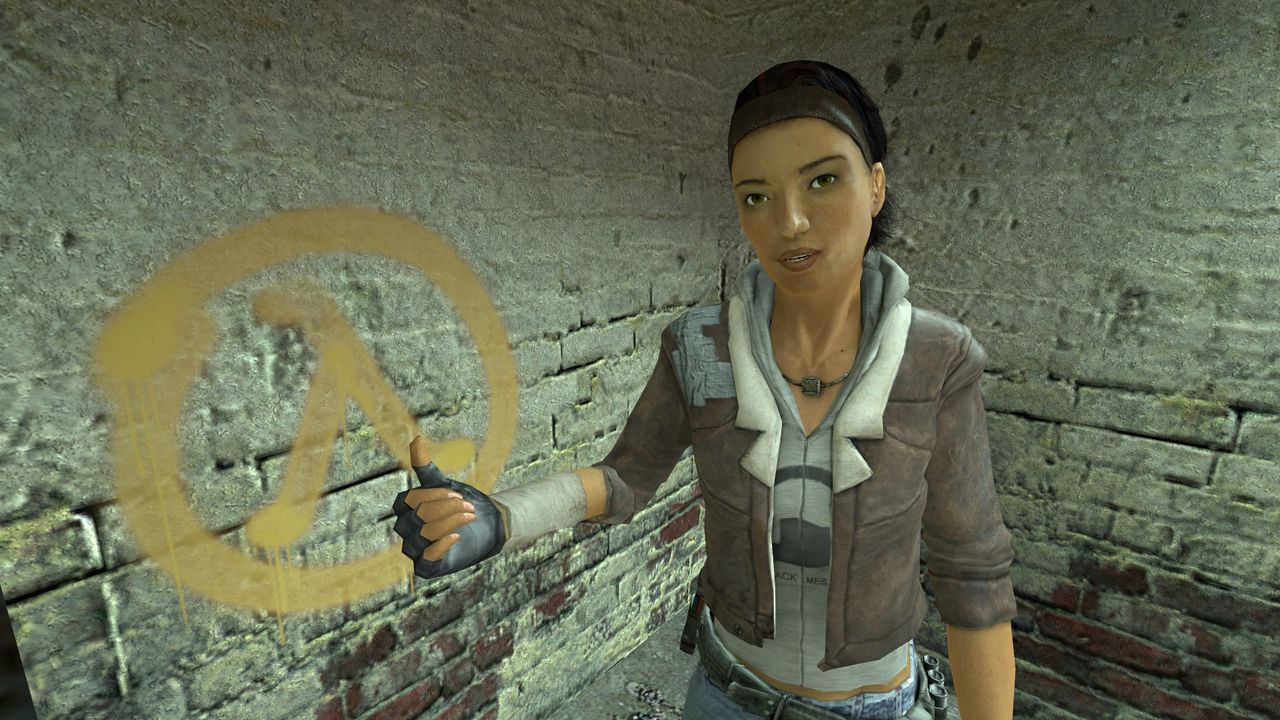
The first major re-release of Half-Life 2 came with The Orange Box in 2007. This compilation included the game alongside Episode One, Episode Two, Portal, and Team Fortress 2. But the Half-Life 2 included in that package wasn't a simple port—it received several subtle but meaningful upgrades. For instance, Alyx Vance's model was updated to match the higher-resolution version from the episodic expansions, and that improved model was later patched back into the original campaign. Other changes included revised lighting, more vivid fire and blood effects, altered eye glow for the G-Man, and a noticeable increase in cloth shininess. These tweaks were enough to surprise even long-time fans, who may have forgotten that the original release didn't even display chapter titles as on-screen text—a detail Ocelot highlights that most of us had completely missed.
The 20th Anniversary Update
Another significant revision arrived in 2024's 20th Anniversary Update. Valve went back and polished many aspects of the game, from visual touches to minor gameplay adjustments. While the update didn't overhaul the entire experience, it did further refine the physics and lighting that had already been evolving since the Orange Box. Understanding these different versions is key to appreciating why some players swear the game felt different back in 2004.
The Notorious Buoyancy Puzzle in Route Kanal
Why Players Remember It Being Harder
One of the most vivid memories for early Half-Life 2 players is the sewer section in Route Kanal. After turning a valve to raise the water level, you must cross a flooded area to reach dry land. Beneath the surface are wooden planks and pallets trapped by horizontal beams. When you free them by destroying the beams, these objects float to the top, providing makeshift platforms to jump onto. In the current version of the game, this sequence is almost trivial—the planks bob reliably and allow you to hop across with ease. But veterans recall a much more frustrating experience: those same objects barely had enough buoyancy to carry Freeman's weight, often sinking or tilting so that you'd slip off into the murky water, forcing a tedious repeat. As Ocelot's video demonstrates, in earlier builds the physics were indeed tuned differently—the objects were less buoyant, making the puzzle a genuine test of patience. It might only have taken a few extra tries, but in a gloomy, claustrophobic sewer level, every failure felt magnified.
Comparing Old and New Physics
Ocelot's side-by-side comparisons make the difference stark. In the retail version, the planks sink noticeably lower when stepped on, offering less lift. In the Orange Box and later updates, buoyancy was increased, making the puzzle flow smoothly. For those who argued the puzzle had been nerfed, this is vindication: you weren't crazy, it really was harder. The change likely came as part of Valve's ongoing physics refinement, but it also serves as a fascinating case study in how subtle adjustments can dramatically alter player perception of difficulty.
Console Ports and Arcade Oddities
Ocelot's analysis extends beyond PC builds. The console ports of Half-Life 2—particularly the original Xbox version—had their own quirks. How the game ever ran on the original Xbox remains a minor miracle of optimization, and the differences in load times, textures, and frame rates make for interesting comparisons. But the most surprising variant is the Japanese arcade version. Yes, there was an arcade cabinet of Half-Life 2 released in Japan, featuring both multiplayer and a condensed story mode. This version included cutscenes and even glowing arrows on the screen to direct players where to go—features that seem almost antithetical to Valve's philosophy of player-driven exploration. It's a fascinating look at how the game was adapted to a different audience and platform. Ocelot's video ends at Black Mesa East, but viewers are left hoping for a sequel covering the rest of the game, especially iconic areas like Ravenholm, which must be a completely different beast in the arcade version and on the original Xbox.
Conclusion
Whether you're a longtime fan or a newcomer who experienced the game only after its many updates, understanding these version differences adds depth to the Half-Life 2 legacy. The sewer puzzle might seem like a minor detail, but it's a perfect example of how iterative design can reshape a game's feel. And thanks to dedicated analysts like Ocelot, we can finally prove that our collective memories aren't just nostalgia—they're history. To see the full comparison and more, check out Ocelot's video (linked in the original article). And if you've always wondered about that arcade version, it's a wild ride worth exploring.