Should You Wait for the Next MacBook Pro? Key Upgrades to Consider
Apple refreshed its 14-inch and 16-inch MacBook Pro lineup with M5 Pro and M5 Max chips in March 2026, but these models retain the same design introduced in 2021. If you're not in a rush, rumors point to a major overhaul coming in late 2026 or early 2027 that could make waiting worthwhile. Here are the most exciting rumored features and why you might hold off.
Why might you consider waiting to buy a MacBook Pro right now?
The current M5 Pro and M5 Max MacBook Pro models offer faster chips, but they share the identical chassis and display technology from four years ago. According to industry leaks, Apple is planning a significant redesign with an OLED display, a Dynamic Island, and a new 2nm chipset. Transitioning to OLED means individual pixel lighting for true blacks and improved contrast, something mini-LED can't match. Additionally, the chassis could become thinner, and a touchscreen might finally arrive. If you can wait a few more months, you'll likely get a laptop with longer battery life, better visuals, and a more modern form factor—plus the performance leap from the M6 chip. For creative professionals or early adopters, these upgrades justify delaying the purchase.
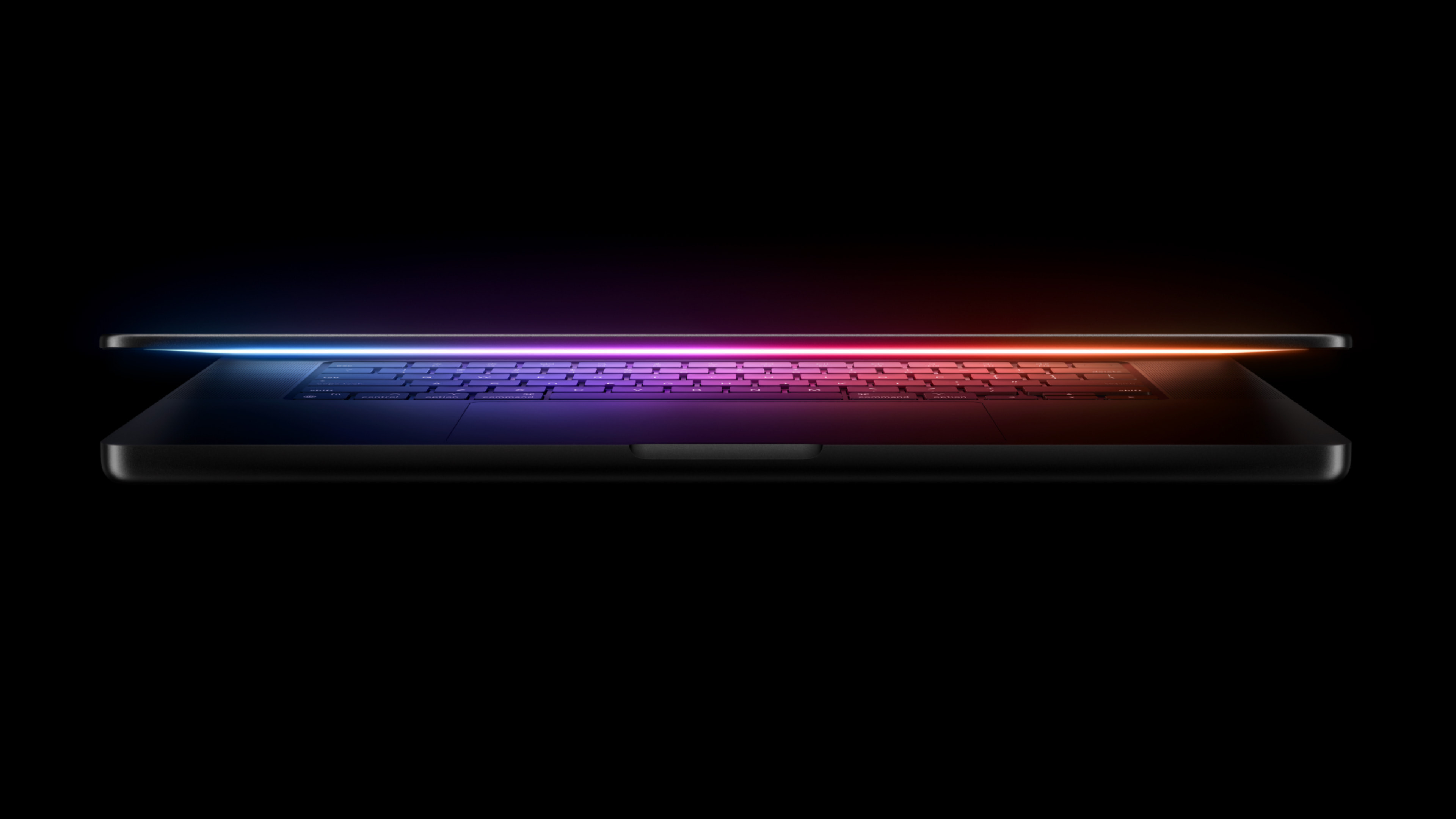
What display advancements are expected in the next MacBook Pro?
The next MacBook Pro is rumored to feature an OLED display, a first for the lineup. Unlike the mini-LED panels used since 2021, OLED allows each pixel to emit its own light, delivering deeper blacks, more vibrant colors, and eliminating blooming around bright areas. This technology has already been proven in iPhones and the M4 iPad Pro (2024). OLED also offers faster response times and better viewing angles, though brightness has historically been a concern—recent improvements have largely solved this. Combined with higher contrast, the new display will be ideal for HDR content creation, graphic design, and video editing. Apple may also increase the screen's peak brightness to compete with top-tier OLED monitors. Expect a noticeable upgrade in picture quality that makes the current mini-LED look dated.
Will the next MacBook Pro have a touchscreen?
Yes, multiple credible reports indicate that Apple is finally bringing touch capabilities to the Mac. After years of stating the Mac wouldn't need a touchscreen, Apple has shifted its stance. The next MacBook Pro is expected to support touch input alongside the traditional mouse, trackpad, and keyboard. This will make the Mac more versatile, allowing users to swipe, tap, and pinch for navigation, similar to an iPad. The touch experience will likely be integrated with macOS features, such as the Dynamic Island, which could expand contextually based on active apps. While it won't replace the precision of a mouse for detailed work, it will be handy for quick interactions, scrolling, or annotating documents. This addition bridges the gap between laptop and tablet workflows, making the MacBook Pro more flexible than ever.
How will the design change in the upcoming MacBook Pro?
Expect a refreshed design for the first time since 2021. The next MacBook Pro is rumored to be thinner, though the 14-inch and 16-inch screen sizes will remain. Apple may replace the notch with a Dynamic Island, similar to the iPhone, which takes up less screen space and adapts to show contextual information like timers, connectivity status, or media controls. The overall build quality should remain premium, with aluminum unibody construction. The keyboard and trackpad are staying, but the chassis could be slightly lighter. This design update, combined with the OLED display and potential touchscreen, will give the MacBook Pro a modern, cohesive look that aligns with Apple's current product ecosystem.
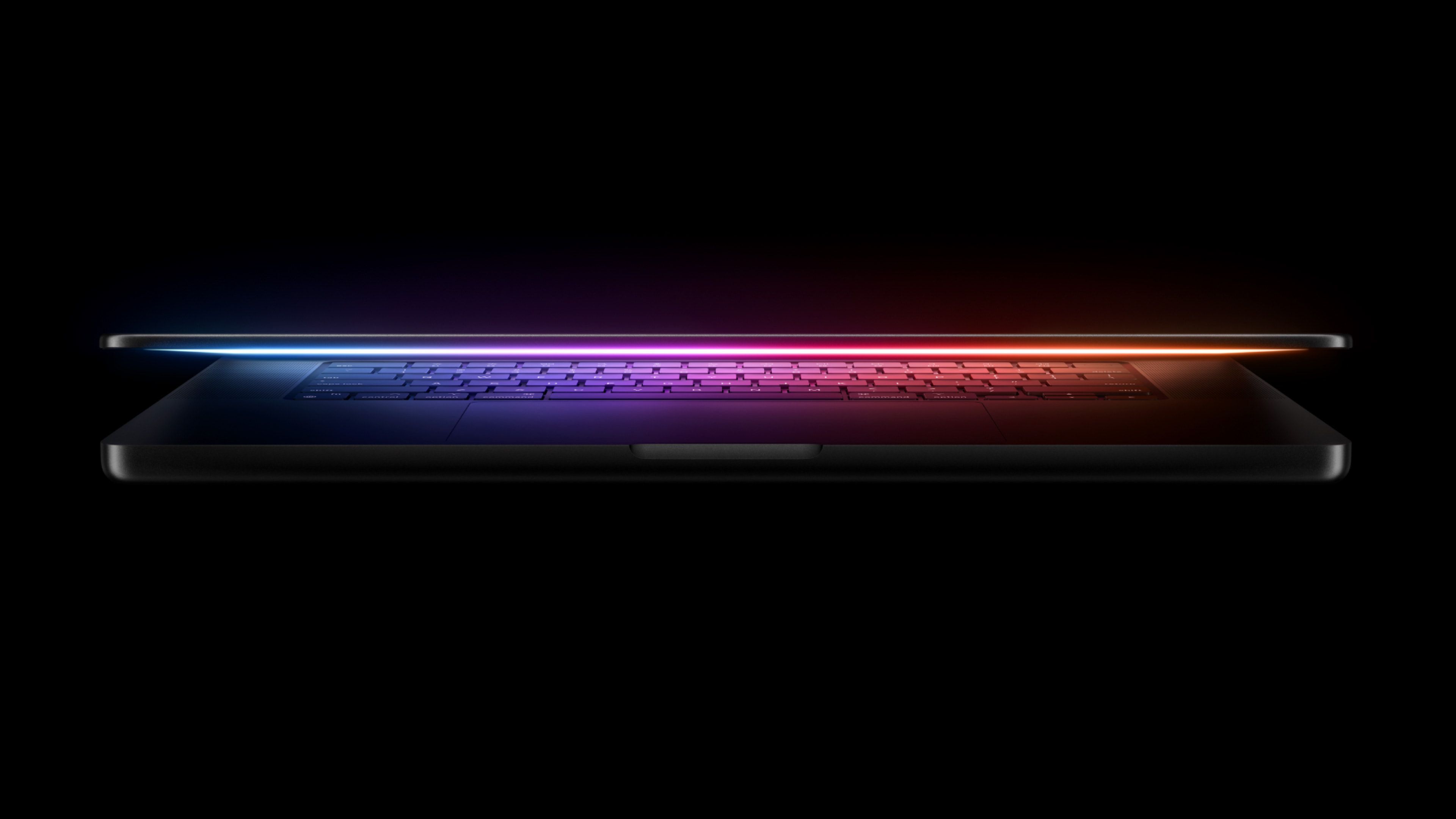
What performance improvements will the M6 chip bring?
The OLED MacBook Pro is expected to debut Apple's M6-series chips, built on a 2nm process. This node shrink promises faster speeds, lower power consumption, and higher transistor density compared to the current 3nm M5 chips. TSMC's 2nm technology uses Gate-All-Around (GAA) nanosheet transistors instead of FinFET, which improves performance per watt significantly. Benchmarks suggest up to 15-20% raw performance gains with better thermal efficiency. For professionals rendering 3D models, editing 8K video, or compiling code, this means shorter wait times and longer battery life. The M6 chip will also enhance AI and machine learning tasks, making the MacBook Pro future-proof for emerging software demands.
Could the next MacBook Pro include cellular connectivity?
Rumors have circulated about Apple bringing 5G cellular connectivity to Macs for years. The next MacBook Pro could be the first to offer this feature. Built-in 5G would let users stay online without relying on Wi-Fi or tethering to a phone—ideal for field work, travel, or locations with poor wired internet. Apple already has cellular modems in iPhones and iPads, so integrating one into the MacBook Pro is technically feasible. It would likely be an optional upgrade via configuration, similar to LTE on iPads. While no official confirmation exists, the shift to an OLED MacBook Pro seems like the perfect opportunity to introduce always-on connectivity, especially as remote work remains common.
What is "Ultra" branding rumored for the MacBook Pro?
Apple is reportedly considering an "Ultra" tier for the highest-end 14-inch and 16-inch MacBook Pro models. These would feature the OLED touchscreen display, while standard models might retain mini-LED panels to keep costs down. The "Ultra" branding could also denote premium materials, enhanced storage options, or exclusive color finishes. This segmentation echoes the iPhone’s Pro and Pro Max lines, offering a clear distinction for power users who demand the absolute best. If you want the full next-gen experience—OLED, touch, and the thinnest chassis—you'll likely need to select the Ultra model. However, lower-tier variants will still offer the M6 chip and design updates, making them compelling for most buyers.